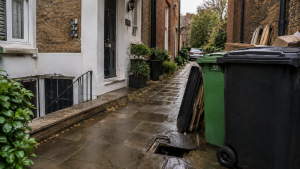
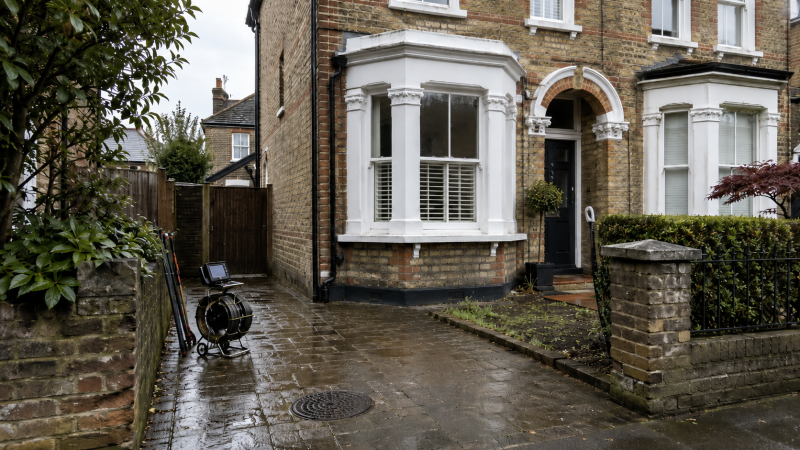
Kingston drain problems in period homes can often be more complicated than a simple blocked sink or toilet. Older pipework, mature trees, shared drainage runs, previous extensions and hidden inspection chambers can all affect how drains perform.
A blockage may clear at first, but if the same drain keeps slowing, smelling or backing up, the cause may sit deeper in the system. In many older properties, repeat drainage issues can be linked to pipe movement, silt, root entry, poor fall or damaged joints.
Kingston upon Thames Drains24 helps homeowners, landlords and businesses with blocked drains, drain unblocking, CCTV drain surveys, root removal, drain repairs and emergency drainage issues across Kingston upon Thames and nearby areas.
Why Kingston drain problems can be different in period homes
Period homes often have drainage systems that have changed over time. Original pipework may have been extended, rerouted or connected to newer bathrooms, kitchens, utility rooms, patios and extensions.
These changes can make drainage problems harder to trace. A problem may appear inside the home, while the fault itself sits outside under a path, garden, driveway or shared access area.
Older pipe materials can also behave differently from modern plastic systems. Clay pipes, ageing joints and older chambers can still work well, but they are more vulnerable when sections move, crack or become restricted.
Common warning signs in older Kingston properties
Drainage faults often start with small symptoms. These signs may come and go at first, especially where water can still pass through part of the pipe.
Common warning signs include:
- Slow-draining sinks, baths, showers or toilets.
- Gurgling sounds from plugholes or WCs.
- Bad smells near drains, gullies or inspection chambers.
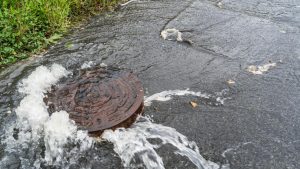
- Outside drains overflowing during normal use.
- Water backing up when another fixture is used.
- The same drain blocking more than once.
- Standing water inside an inspection chamber.
- Silt, scale, grease or debris appearing in the pipework.
- Drainage problems getting worse after heavy rain.
One slow drain may not point to a serious issue. However, repeated symptoms usually need closer investigation.
Older pipework and repeat blockages
Older pipework can remain serviceable for many years when it stays aligned, clean and structurally sound. Problems usually begin when the pipe narrows, the internal surface becomes rough, a joint opens or a section drops.
Once waste starts catching on a defect, the same area can block again and again. Paper, wipes, grease, food debris and silt can all gather around the restriction.
A drain unblocking visit can restore flow, but repeat blockages may need a closer look at the condition of the pipe.
Tree roots near period homes
Many older Kingston properties sit near mature trees, hedges and established gardens. Tree roots do not usually break into a sound drain first. Instead, they tend to enter through an existing weakness such as a crack, open joint or damaged chamber connection.
Once roots reach the moisture inside the drain, they can grow through the pipe and catch waste. This can cause slow drainage, gurgling, bad smells and repeat blockages.
Where roots are found, root removal may clear the immediate obstruction. However, the entry point may still need checking to stop the same issue returning.
Silt and standing water inside the drain
Silt can build up where water does not move through the drain properly. This may happen because of a poor gradient, a displaced joint, a dropped section, root entry or partial collapse.
Standing water gives fine material somewhere to settle. Over time, silt reduces the space inside the pipe and makes the drain more likely to block during normal use.
If silt keeps returning after cleaning, it may point to a deeper fault rather than a one-off blockage.
Drainage problems after extensions and alterations
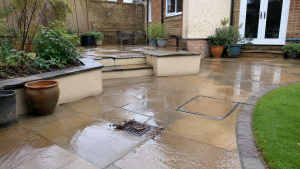
Many period homes have been altered over time. Kitchens may have moved, bathrooms may have been added, rear extensions may cover older pipe routes, and patios or driveways may now sit over inspection points.
These changes can affect access and flow. Hidden chambers, covered gullies and poorly connected pipework can all make a drainage problem harder to diagnose.
Where drainage work links to building layout, waste pipes or access points, the UK Government’s Approved Document H for drainage and waste disposal gives useful background on drainage access, pipework and building-related drainage considerations in England.
When CCTV inspection is useful
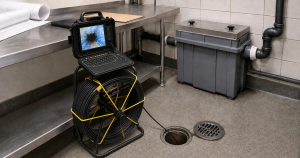
A CCTV drain survey can show what is happening inside the drainage system without digging first. This is useful when the cause is unclear, the problem keeps returning or pipe damage is suspected.
A camera inspection of the drain can identify cracks, displaced joints, root entry, silt, standing water, poor gradients, scale and partial collapse.
This helps avoid guesswork. It also helps decide whether the drain needs cleaning, repair work, root removal or continued monitoring.
Shared drainage and converted properties
Some older homes and converted properties may connect into shared drainage runs before reaching the public sewer. This can make the source of a blockage less obvious.
If more than one property has drainage problems at the same time, the affected section may sit beyond one private internal pipe. Inspection chambers and flow direction checks can help narrow down where the issue is likely to be.
Understanding the location matters because it can affect the next step, especially where shared drainage or a lateral drain may be involved.
When drain repairs may be needed
Not every blocked drain needs repair. Many blockages can be cleared properly with the right equipment and testing.
However, drain repairs may be needed if inspection shows cracked pipework, displaced joints, collapsed sections, root entry points, standing water caused by pipe movement or a section that has lost its shape.
Repair options depend on the fault, pipe condition, depth and access. Some localised defects may suit patch repair or lining. More serious movement or collapse may need excavation and replacement.
When the problem becomes urgent
Some drainage problems need fast attention. If foul water overflows, sewage backs up, toilets cannot be used or water enters the property, the issue should be treated as urgent.
Older homes can also be more disruptive to work around because access points may be hidden, narrow or shared with neighbouring areas.
For urgent issues, emergency drainage services can help restore flow and reduce disruption before further investigation is arranged.
How Kingston period homes can reduce repeat drain problems
Some drainage faults come from age, ground movement or hidden damage. Even so, good habits can reduce avoidable blockages and help warning signs appear sooner.
- Keep fat, oil and grease out of kitchen sinks.
- Only flush toilet paper.
- Use sink strainers to catch food waste.
- Keep outside gullies clear of leaves and silt.
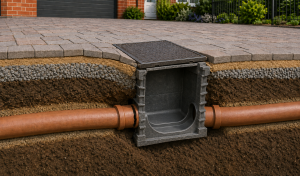
- Keep inspection chambers accessible where possible.
- Report repeated smells, gurgling or slow drainage early.
- Arrange CCTV inspection if the same drain blocks again.
- Get repair advice if roots, silt or standing water keep returning.
These steps cannot prevent every underground fault, but they can reduce avoidable pressure on older drainage systems.
Get Kingston drain problems checked properly
Kingston drain problems in period homes can start with a small blockage, slow drain or bad smell. When the same issue returns, the cause may involve older pipework, root entry, silt, shared runs or hidden pipe damage.
Kingston upon Thames Drains24 can help with drain unblocking, CCTV surveys, root removal, emergency drainage services and drain repairs across Kingston upon Thames.
If the same drain keeps blocking or warning signs keep coming back, it is worth checking whether older pipework or a hidden defect is the real cause.
FAQs
What causes drain problems in Kingston period homes?
Common causes include older pipework, grease, wipes, silt, tree roots, displaced joints, poor gradients, shared drainage runs and previous property alterations.
Are older homes more likely to have repeat drain blockages?
Older homes can be more prone to repeat drainage problems where pipework has aged, moved, cracked or been altered over time.
Can tree roots damage older drains?
Tree roots usually enter through existing weaknesses such as cracks, open joints or damaged chamber connections. Once inside, they can catch waste and cause repeat blockages.
When should I book a CCTV drain survey?
CCTV inspection is useful when the same drain blocks repeatedly, smells return, roots are suspected, or the cause of the blockage is unclear.
When are drain repairs needed?
Drain repairs may be needed if inspection shows cracked pipes, displaced joints, collapsed sections, root entry points, standing water or pipe movement.